
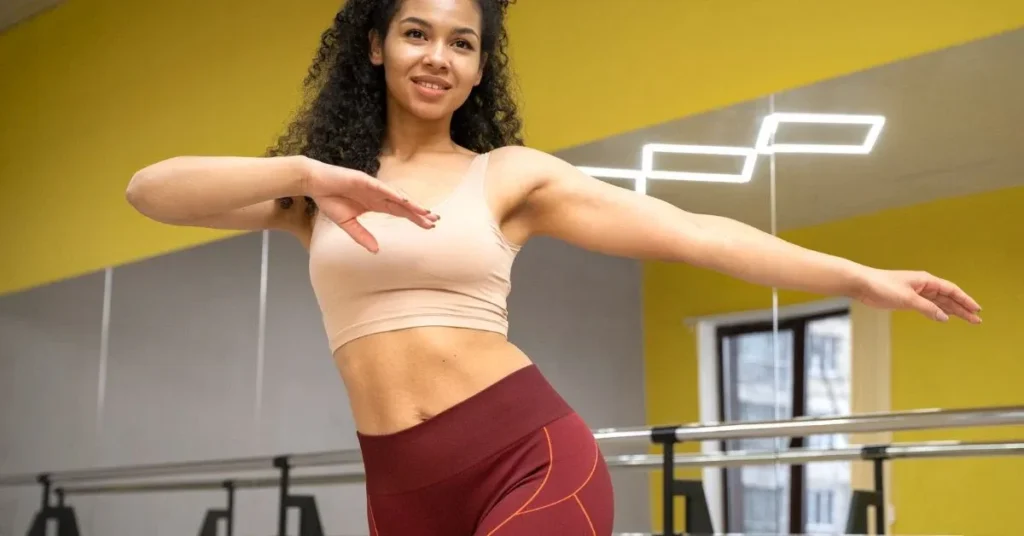
Intermediate Stretching – Frequently Asked Questions
What is Intermediate Stretching?
Intermediate Stretching is a progressive mobility and flexibility training method that targets improvements in joint range of motion (ROM), neuromuscular control, and movement efficiency. Unlike beginner stretching, it incorporates longer hold durations, dynamic mobility drills, and multi-planar movement patterns to improve functional movement capacity.
What Muscle Groups Are Commonly Targeted?
An Intermediate Stretching Program often focuses on:
- Hamstrings
- Hip Flexors
- Glutes
- Calves
- Chest Muscles
- Shoulders
- Thoracic Spine
These areas commonly affect squat depth, overhead movements, and athletic performance.
How Does Intermediate Stretching Improve Joint Mobility?
Joint mobility depends on muscle flexibility, connective tissue compliance, joint capsule mobility, and motor control.
A structured mobility training program addresses these factors through controlled stretching protocols that help improve active and passive range of motion while maintaining joint stability.
Why Is Hip Mobility a Major Focus in Intermediate Stretching?
Restricted hip mobility can alter movement mechanics during:
- Squats
- Deadlifts
- Lunges
- Running
- Jumping
Improving hip flexion, extension, internal rotation, and external rotation may enhance movement efficiency while reducing compensatory stress on the lumbar spine and knees.
What Is the Difference Between Active and Passive Flexibility?
Passive Flexibility refers to the maximum range of motion achieved with external assistance.
Active Flexibility refers to the ability to control and maintain a range of motion using muscular strength alone.
Intermediate stretching aims to improve both, with particular emphasis on active mobility and movement control.
How Does Thoracic Spine Mobility Affect Exercise Performance?
Adequate thoracic mobility is essential for:
- Overhead Pressing
- Olympic Lifting
- Functional Training
- Shoulder Mechanics
Limited thoracic extension can negatively impact shoulder positioning, overhead stability, and movement efficiency during upper-body exercises.
What Is PNF Stretching?
Proprioceptive Neuromuscular Facilitation (PNF) Stretching combines isometric muscular contractions followed by relaxation phases to increase range of motion.
Research suggests PNF stretching can produce greater short-term improvements in flexibility compared to conventional static stretching, making it a valuable tool in advanced mobility programs.
Why Is Neuromuscular Control Important in Stretching?
Mobility is not solely determined by flexibility.
The nervous system plays a critical role in regulating movement through mechanisms such as stretch tolerance, motor unit recruitment, and joint stabilization. Intermediate stretching therefore emphasizes controlled movement patterns rather than passive stretching alone.
Who Benefits Most from Intermediate Stretching?
Intermediate stretching is particularly valuable for:
- Strength Athletes
- CrossFit Athletes
- Functional Fitness Participants
- Runners
- Sports Athletes
- Individuals with mobility restrictions
It is especially beneficial for those seeking improvements in movement quality, exercise mechanics, and athletic performance.
Why Choose Intermediate Stretching at Zym Mechanix?
At Zym Mechanix Fitness Studio, our Intermediate Stretching Program in Madurai focuses on mobility development through evidence-based protocols that target:
- Hip Mobility
- Thoracic Spine Mobility
- Shoulder Mobility
- Functional Range of Motion
- Movement Efficiency
- Exercise Performance
Our trainers integrate mobility training, functional stretching, and movement correction techniques to help members move more efficiently, train more effectively, and recover better between workouts.